


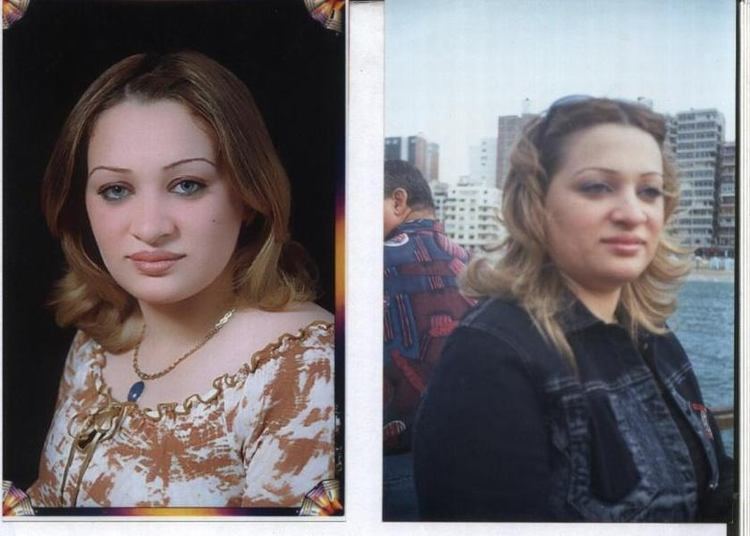
Samira Shahbandar is a name that is often remembered due to her connection to Saddam Hussein, the former president of Iraq. As his second wife, Samira’s life was intertwined with the power and controversy that surrounded Saddam’s regime. Although she remained largely in the shadows of the political spotlight, Samira’s life and role in Saddam Hussein’s personal affairs offer insight into the private world of one of the most notorious leaders in modern history. This article will delve into Samira’s early life, her marriage to Saddam Hussein, her family life, and her life after Saddam’s overthrow, as well as her legacy and how she is viewed in the public eye.
Early Life and Background
Samira Shahbandar was born in Baghdad, Iraq, in 1946, into an upper-class family. She grew up in a time when Iraq was undergoing significant political and social changes. While not much is publicly known about her early life, Samira was educated and worked in various professional roles before meeting Saddam Hussein. It’s reported that she worked as a physician and also as a flight attendant, roles that gave her a broad perspective on the world beyond the confines of her family’s elite circles.
Growing up in Baghdad during this period, Samira likely experienced the influence of a privileged upbringing. However, it was her eventual marriage to Saddam Hussein that would thrust her into the limelight, especially as his second wife, playing a key role in his personal life. Her background in the professional world, combined with her family’s prominent position, helped set the stage for her entry into the complex and sometimes dangerous political world of Iraq.
Marriage to Saddam Hussein
Samira’s relationship with Saddam Hussein began in the mid-1980s. While Saddam’s first marriage to Sajida Talfah was known to the public, his relationship with Samira remained more private. They married around 1986, a time when Saddam Hussein was deeply entrenched in his power as the leader of Iraq. Despite the fact that Saddam already had a wife and children, Samira’s marriage to him was kept relatively under wraps, especially as tensions within his family, including his relationship with his first wife, began to surface.
Their marriage was not just one of personal connection; it was also politically significant. Saddam’s personal life was often as turbulent as his political career, with frequent changes in his relationships. Samira’s role as his second wife added a layer of complexity to the family dynamic. In some accounts, it is mentioned that Uday Hussein, Saddam’s son, had issues with Samira’s rising influence within the family, leading to internal family tensions.
As his second wife, Samira’s life became closely tied to the power dynamics of Saddam’s rule, yet she remained largely out of the public spotlight compared to his more famous political endeavors. However, her presence in his life played a role in how his family was portrayed in the media, particularly in terms of the influence she had over Saddam’s personal affairs.
The Role She Played as His Second Wife
While Samira Shahbandar was never involved in the political decisions that shaped Iraq, her role as Saddam Hussein’s second wife was important in shaping his private life. Unlike his first wife, Sajida, who had been with him since his rise to power, Samira represented a different chapter in Saddam’s personal life. Samira’s influence over Saddam is often said to have been felt in his personal decisions, especially as his regime grew more authoritarian and isolated.
Her position within the family dynamics, while somewhat discreet, was crucial during the 1980s and 1990s, when Saddam’s power was at its peak. Samira’s role was often to manage domestic affairs while navigating the complexities of Saddam’s public and private life. She remained largely out of the political spotlight, but her position within the household would have required her to balance the demands of being both a wife and mother to children involved in such a high-stakes environment.
Her marriage to Saddam was strategic as well, as it allowed Saddam to maintain his influence among the political elite while consolidating his power through marital alliances. However, while Samira may have enjoyed the privileges of being the wife of the Iraqi president, her life was also marked by the tensions and dangers that came with being part of Saddam Hussein’s inner circle.
Family Life and Children
Samira Shahbandar and Saddam Hussein had at least one son, Ali Hussein, whose existence was mostly kept private. Ali’s life remains a mystery to some extent, with little public information available about him. Some sources suggest that he might have been kept away from the public eye to protect him from the political instability that surrounded Saddam Hussein’s regime.
Samira had other children from her previous marriage, and it is known that she had a strong connection with them. Her family life, like many other aspects of her private life, was overshadowed by Saddam’s public life. Despite this, she managed to raise her children in a relatively stable environment, even as the country faced numerous crises, including the Gulf War and sanctions that crippled the country economically.
While her family life was, to some degree, a reflection of the political turmoil Iraq was facing, Samira was known to be a dedicated mother who worked hard to maintain normalcy for her children amidst Saddam’s complicated and often dangerous personal and political dealings.
Life After Saddam’s Overthrow
After the 2003 invasion of Iraq and the fall of Saddam Hussein, Samira Shahbandar fled the country with her son Ali and sought refuge in Lebanon. The post-Saddam period was chaotic for many of Saddam’s family members, who faced personal and professional upheaval. While Saddam was captured, tried, and executed by the Iraqi government, Samira managed to avoid direct consequences, though her life as the ex-wife of one of the most infamous leaders in recent history was never going to be easy.
Samira’s life in exile has largely been private, and she has kept a low profile since Saddam’s downfall. She has reportedly lived in Beirut, where she continues to live with her son. Her role as the wife of a tyrant made her a figure of some interest, but she has generally avoided the spotlight since Saddam’s execution.
Legacy and Public Perception
Samira Shahbandar’s legacy is closely tied to her role as the second wife of Saddam Hussein. While she may not have been involved in the political decision-making of the regime, her life became a part of the broader narrative of Saddam’s rise and fall. Her quiet demeanor and avoidance of public attention have allowed her to remain largely out of the public eye, and her legacy remains tied to the private world of Saddam’s family.
Despite the complex nature of her relationship with Saddam, Samira has managed to maintain a degree of privacy in a world that is constantly searching for answers about Saddam’s personal life. This has made her a figure of intrigue for some, while others view her as a passive participant in Saddam’s regime.
Conclusion
Samira Shahbandar’s life was profoundly shaped by her marriage to Saddam Hussein, and while she was not involved in the political machinations of his regime, her presence in Saddam’s personal life had significant implications. She managed to maintain a private and relatively low-profile existence, especially after Saddam’s fall from power. Though she is largely absent from the public eye, Samira’s role as a wife and mother remains an important part of the narrative of Saddam Hussein’s life and legacy. Her quiet strength, resilience, and ability to adapt to the shifting political landscape of Iraq highlight her ability to navigate life in Saddam’s shadow while maintaining a sense of privacy.
Also Read:
