


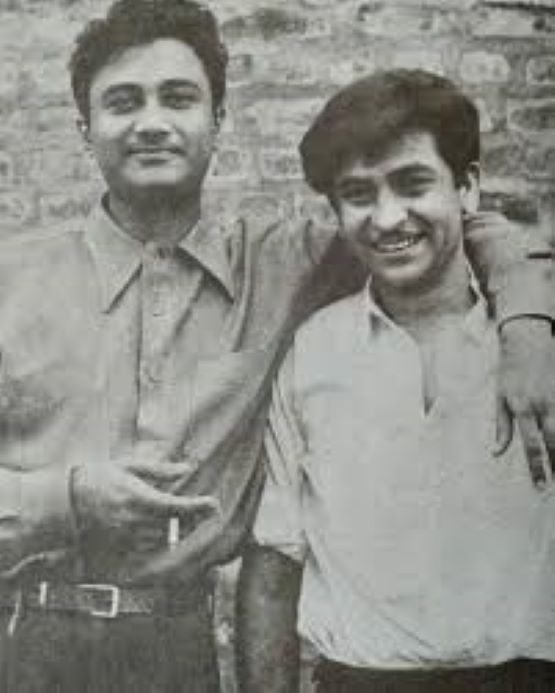
Pishori Lal Anand, better known as the legendary actor Dev Anand, stands as one of the most iconic figures in the history of Indian cinema. His journey from humble beginnings to becoming a superstar in Bollywood is a testament to his unmatched passion, dedication, and charm. With a career spanning over six decades, Dev Anand captured the hearts of millions with his unique screen presence, memorable roles, and dedication to his craft. Born as Dharamdev Pishorimal Anand, he became a symbol of the romantic hero, bringing elegance and depth to his characters.
This article delves into the life of Dev Anand, exploring his early life, rise to fame, contributions as a director and producer, iconic films, and his lasting influence on Bollywood. Let’s explore the remarkable journey of Pishori Lal Anand, who continues to inspire filmmakers and actors even today.
Early Life and Family
Dev Anand’s story begins with Pishori Lal Anand in Shakargarh, which is now part of Pakistan. Born on September 26, 1923, Dev Anand was the youngest child in a family that valued education and culture. His father, Pishorimal Anand, was a businessman who wanted his children to have a strong educational foundation, while his mother, Shantabai, emphasized cultural values. Dev Anand’s family background was a blend of tradition and progressive thinking, fostering an environment that encouraged him to pursue his interests.
Though his early years were marked by academic focus, Dev Anand’s heart was always in the world of cinema. After moving to Bombay (now Mumbai), he started his career in the film industry, but like many other actors, faced initial struggles. His family was supportive but uncertain about his decision to venture into Bollywood, an industry considered volatile at the time. Despite the challenges, Pishori Lal Anand was determined to make his mark, working hard through years of struggle and perseverance.
Debut in Bollywood
Dev Anand’s first brush with Bollywood came with the film Hum Ek Hain (1946), but it wasn’t until his second film, Ziddi (1948), that he caught the public’s attention. His youthful energy and boyish charm were evident from the start, and audiences began to take notice. However, it was his iconic role in Baazi (1951), under the direction of Guru Dutt, that truly launched his career.
In Baazi, Dev Anand played the role of a brave and ambitious man who becomes entangled in a criminal world. This film marked the beginning of his association with the romantic and heroic image that would define his career. Throughout the 1950s and 1960s, Pishori Lal Anand became synonymous with the suave, intelligent, and dashing hero. His unique screen presence combined with his ability to portray vulnerability made him one of the most beloved actors of his time.
Rise to Stardom
By the mid-1950s, Pishori Lal Anand was no longer just an actor—he had become a phenomenon. His combination of charm, good looks, and strong performances allowed him to appeal to a wide audience. His strong screen presence and sense of style made him a trendsetter in Bollywood. In the 1960s, Dev Anand’s stardom reached new heights, with some of his most memorable roles solidifying his place as one of India’s leading actors.
His partnership with actress Waheeda Rehman in films like Guide (1965) and C.I.D. (1956) garnered critical acclaim and gave birth to one of Bollywood’s most iconic onscreen pairs. Pishori Lal Anand had the unique ability to shift from romantic roles to dramatic, intense characters, maintaining his popularity with every transformation.
The 1960s also marked Dev Anand’s venture into different genres, from suspense thrillers to romance, and his willingness to experiment with roles kept him relevant in the ever-evolving landscape of Bollywood. His fans, who admired his smooth dialogue delivery and poetic style, remained loyal throughout his career.
Dev Anand as Director and Producer
While his acting career flourished, Pishori Lal Anand was never content to simply be in front of the camera. In 1959, he founded Navketan Films, a production company that would give him full control over his creative projects. As a director, Dev Anand focused on creating films that had a modern sensibility while retaining traditional values. His directorial debut was C.I.D. (1956), a suspense thriller that garnered critical acclaim.
One of his most notable films as a director was Hare Rama Hare Krishna (1971), which he also produced. This film dealt with the issue of youth rebellion and drug addiction, which was ahead of its time in terms of its theme. The film was a massive success and demonstrated his versatility as both an actor and a filmmaker. Through his production house, Pishori Lal Anand produced several hit films that resonated with audiences and critics alike.
His ability to adapt to changing cinematic trends and embrace new technologies made him a visionary in the industry. As a producer, he also provided a platform for talented filmmakers, ensuring that his films remained fresh and innovative.
Iconic Roles and Films
Throughout his illustrious career, Pishori Lal Anand became the face of some of the most iconic films in Bollywood history. A few of his most iconic roles are:
-
Guide (1965): In this film, Dev Anand portrayed the role of Raghunath, a tour guide who becomes involved with a married woman played by Waheeda Rehman. The film, based on R.K. Narayan’s novel, is often regarded as one of Dev Anand’s finest performances.
-
Jewel Thief (1967): A suspense thriller, Jewel Thief showcased Dev Anand in a complex role as a man mistaken for a jewel thief. The film became a classic, and his performance as a suave and intelligent thief remains one of his most iconic.
-
Hare Rama Hare Krishna (1971): A bold exploration of youth culture and drug addiction, this film demonstrated Dev Anand’s growth as a filmmaker and his ability to tackle socially relevant issues while delivering strong performances.
The success of these films further solidified Pishori Lal Anand’s position as one of Bollywood’s most revered actors. His legacy as a versatile actor who could seamlessly shift between various genres remains unmatched.
Personal Life
Dev Anand’s personal life was as eventful as his film career, but he preferred to keep it largely private. Married to actress Kalpana Kartik in 1954, Dev Anand maintained a relatively low-profile family life. Despite being a superstar, he was known to be a private and disciplined man, deeply focused on his work and personal values.
Though he was often linked to several women throughout his career, Dev Anand never allowed his personal relationships to overshadow his professional achievements. His love for cinema was his constant companion, and it was this devotion to his craft that defined his life. Throughout his career, Pishori Lal Anand stayed away from the media circus, focusing instead on making films that mattered to him and his audience.
Legacy and Influence
Dev Anand’s influence on Indian cinema is unparalleled. Pishori Lal Anand was not just an actor but a pioneer who shaped the Bollywood film industry. His influence on filmmaking, acting, and even fashion remains evident today. He introduced new styles, themes, and narratives that helped Bollywood evolve and adapt to modern sensibilities. His films, such as Guide, Jewel Thief, and Hare Rama Hare Krishna, continue to inspire filmmakers and actors alike.
Beyond his contributions to cinema, Dev Anand was also an important figure in shaping public opinion, often using his platform to address societal issues. His films were not just entertainment; they often conveyed important messages about love, integrity, and personal freedom.
Death and Tributes
Dev Anand passed away on December 3, 2011, at the age of 88. His death marked the end of an era in Indian cinema, but his films continue to be celebrated. Tributes poured in from across the globe, with numerous actors, filmmakers, and fans mourning the loss of a true legend. He was posthumously awarded the Padma Bhushan, one of India’s highest civilian honors, for his contribution to the arts.
Even today, his films are watched by new generations of cinema lovers, and his legacy is celebrated through retrospectives and film festivals. Pishori Lal Anand’s influence on the industry remains timeless.
Conclusion
Pishori Lal Anand, or Dev Anand, will forever be remembered as one of the greatest figures in the history of Indian cinema. His unparalleled contributions to Bollywood as an actor, director, and producer have left an indelible mark on the industry. With his unique style, versatility, and commitment to his craft, Dev Anand will always remain a true icon of the silver screen. His films, his persona, and his legacy continue to inspire future generations, proving that true talent never fades.
Also Read:
