


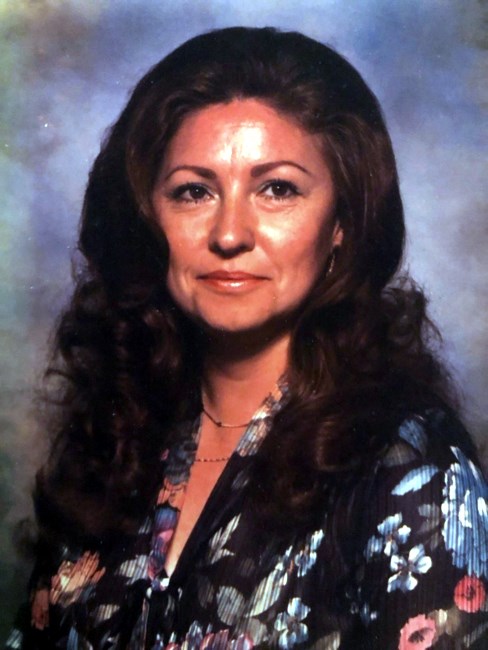
Patricia Bowman was a renowned American dancer, ballerina, musical theatre actress, and television personality who made an indelible mark in the world of performing arts. With a career that spanned multiple decades, Patricia became known not just for her extraordinary talent but for her groundbreaking contributions to ballet and musical theatre. From her early years in Washington, D.C., to becoming one of the most celebrated figures of her time, Patricia’s legacy is a testament to her dedication to her craft. This article explores her life, career, and lasting impact on the arts.
Early Life and Family Background
Patricia Bowman was born on December 12, 1908, in Washington, D.C., into a family that valued culture and the arts. Growing up in an environment that encouraged creativity, Patricia’s early interest in dance began at a young age. Her family was supportive of her passion, and by her teenage years, she was already taking formal ballet lessons. Her training included a mix of classical ballet, modern dance, and musical theatre, setting the foundation for what would become an illustrious career.
She further honed her skills in New York City, attending prominent dance schools where she trained with some of the finest instructors of the time. Patricia’s early life and family background shaped her into a disciplined and determined artist, laying the groundwork for a future in which she would blend classical ballet with the world of Broadway.
Career in Ballet and Musical Theatre
Patricia Bowman’s career in dance truly took off when she became a member of Radio City Music Hall’s ballet company. In 1932, she was appointed as the prima ballerina of the venue, which was a significant achievement for a young artist at the time. She performed in numerous shows, captivating audiences with her graceful yet dynamic performances. Her work at Radio City Music Hall helped cement her status as one of America’s leading ballerinas.
In addition to her ballet career, Patricia also excelled in musical theatre. She appeared in a variety of Broadway shows, bringing her classical training into the vibrant world of musical theatre. Her ability to blend ballet with theatrical performances made her a standout performer in the industry. Through the years, she became one of the most recognized faces in both ballet and musical theatre, receiving praise from critics and audiences alike.
Major Accomplishments
One of Patricia Bowman’s most significant accomplishments was her involvement in founding the American Ballet Theatre. As a founding member, she played an integral role in shaping the company’s direction and its early success. Her contributions to the Ballet Theatre were not just in her dancing but also in her dedication to preserving and advancing the art of ballet in the United States.
Patricia’s achievements didn’t stop with ballet. She became a beloved figure in early television, hosting her own dance program in 1951, which was one of the first television shows to feature dance as its primary focus. Through her television appearances, she introduced ballet to a wider audience, helping to popularize the art form during a time when TV was becoming a dominant medium.
Her Broadway success, television career, and role in founding the American Ballet Theatre made Patricia Bowman a multifaceted artist who left a lasting impact on both dance and the entertainment industry.
Retirement and Later Years
After decades of performing, Patricia Bowman retired from the stage and transitioned to teaching. She spent the next part of her life focusing on passing down her extensive knowledge of dance to the next generation. She ran a ballet school in New York, where she mentored young dancers and helped them develop their craft. Patricia’s approach to teaching was grounded in the same dedication and precision that had defined her performances on stage.
Later, she moved to Las Vegas, where she continued to work in the arts in a more private setting. While she may have retired from the public eye, Patricia’s influence remained felt throughout the dance world. She spent her later years reflecting on her remarkable career, maintaining her passion for dance and encouraging others to follow in her footsteps.
Legacy and Impact
Patricia Bowman’s legacy is one of dedication, passion, and innovation. As one of the first American ballerinas to achieve international recognition, she opened doors for future generations of dancers. Her role in Radio City Music Hall, the American Ballet Theatre, and Broadway helped elevate ballet and musical theatre, making them accessible to broader audiences. Patricia’s legacy also lives on through the many dancers she trained and inspired throughout her career.
Her television program in 1951 introduced ballet to a new generation, helping to shape the cultural landscape of mid-20th century America. She bridged the gap between classical dance and modern entertainment, proving that ballet could be both a high art form and a mainstream attraction. Patricia Bowman’s impact on dance and theatre is undeniable, and her work continues to inspire dancers and artists to this day.
Conclusion
Patricia Bowman’s life and career represent the epitome of dedication to the arts. From her early days in Washington, D.C., to her groundbreaking work as a prima ballerina and Broadway star, Patricia’s journey was one of passion, talent, and perseverance. Her accomplishments in the worlds of ballet and musical theatre, as well as her role in founding the American Ballet Theatre and shaping early television dance, solidified her place in the history of performing arts.
While Patricia Bowman may no longer be a public figure, her influence on dance and theatre continues to resonate. Through her performances, teachings, and television appearances, she brought ballet to the masses, inspiring countless individuals to pursue careers in dance. Patricia Bowman’s legacy will undoubtedly endure for generations, ensuring that her contributions to the arts are never forgotten.
Also Read:
