


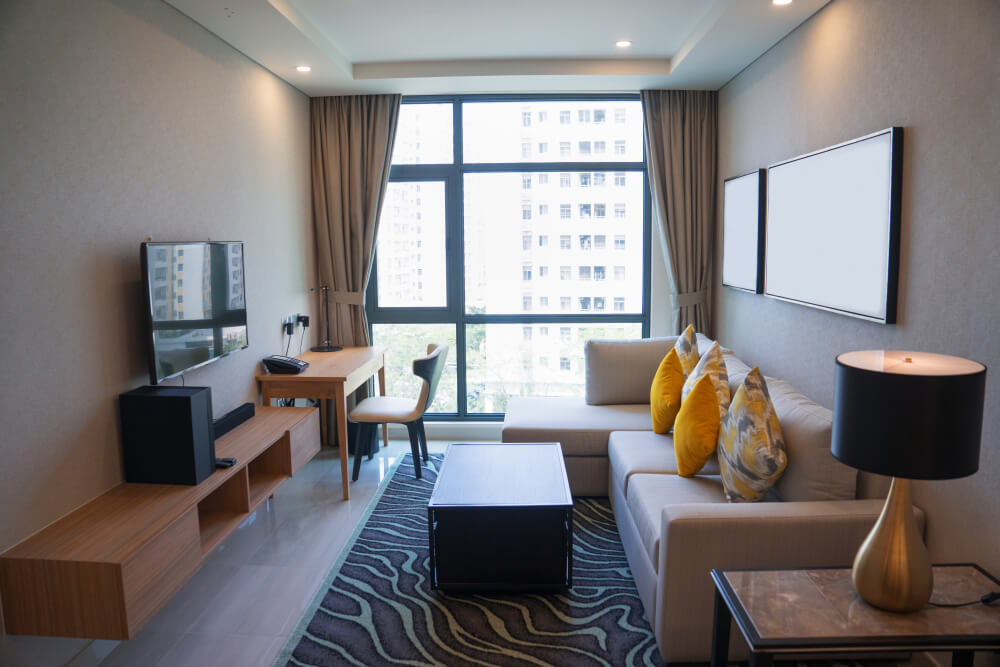
Tokyo is a dynamic, hectic, and opportunity-filled city. However, searching for where to reside is overwhelming. The problem with renting is that people have trouble deciding to rent based on location, commuting time, and budget. It is a day-to-day stress being too far away from train lines. Existing too close to the heart of things may make ends meet.
The trick is to select districts with good transport connections but not with the city center’s high prices. This is the reason why apartments in Nerima-Ku, Tokyo, are gaining popularity. They also connect to business capitals and can be considered rather residential.
Why Well Connected District is Important
A well-connected district tends to offer a variety of train lines or direct routes to core centers. Regular timetables of trains matter. So is the accessibility of stations on foot. There is the added flexibility of neighborhoods that have bus connections.
The proximity to convenience stores, supermarkets, and all kinds of essential services also enhances daily comfort. A place should be able to accommodate travel and everyday life.
Why Nerima-Ku is Capturing Attention
Nerima-Ku is located in the northwestern part of Tokyo. Apartments in Nerima-ku, Tokyo (練馬区 マンスリー) offer the calmness of residential areas and the availability of good transport. The region is linked to central Tokyo by various train lines. Commuting is not as overwhelming or crowded as it is in core districts.
Nerima-Ku Tokyo apartments are targeted at those who desire a balance between professionals and families. The locality has parks, schools, and shopping streets, which make it less business-like.
Budget and Accessibility
Districts in mid-town Tokyo are usually costly to rent. The convenience of the location is somewhat limited by the price, which may not provide enough space or comfort. In areas such as Nerima-Ku, renters can find larger houses at affordable rates.
Meanwhile, rail transport makes traveling feasible. This balance means the residents do not have to decide between comfort and accessibility.
Transport Access
The trains define the life of Tokyo. The majority of the residents depend on the rail networks to work, attend schools, and socialize. When the home is close to a commuter-friendly train, the stress of commuting is minimized.
Work-life balance is enhanced by shorter travelling time. The transfers to the major stations, such as Shinjuku or Ikebukuro, are easy and save time on a weekly basis. In terms of housing, proximity to a station is of greater importance than the size of the apartment.
Life at The Heiwadai
One of the stations that facilitates easy traffic to central areas is the Heiwadai. It is connected by the Yurakucho and Fukutoshin lines. These lines have direct access to business and entertainment areas. This eliminates the necessity of complex transfers.
The properties around Heiwadai offer a serene environment without compromising daily commuting. This combination of peaceful streets and city speed makes many renters like this neighborhood.
Convenience in Everyday Life
Transport is not the only concern of convenient housing. Day-to-day work must also be easy. The presence of supermarkets, pharmacies, cafes, and medical clinics is within walking distance, which makes the quality of life better. The green spaces are also significant in a crowded city such as Tokyo.
Nerima-Ku has parks and open spaces which allow inhalation space. This makes it appealing to residents who value the power of cities and their comfort.
Selecting the Right Apartment
Selecting the right district helps steer things in a positive direction. Residing in a less populated yet well-connected neighborhood helps achieve better sleep, less stressful schedules, and improved work-life balance. In Nerima-ku, Tokyo, apartments remain the preferred choice for people who want good access to the city without sacrificing space or comfort.
The needs of the various renters vary. Others like furnished units on a short-term basis. Other people seek long-term leases with a flexible layout. Modern residential facilities are focused on utility. The maximum space is used by efficient storage, natural lighting, and clever layouts.
